Embroidering "Livin the Scrub Life": A Designer's Review
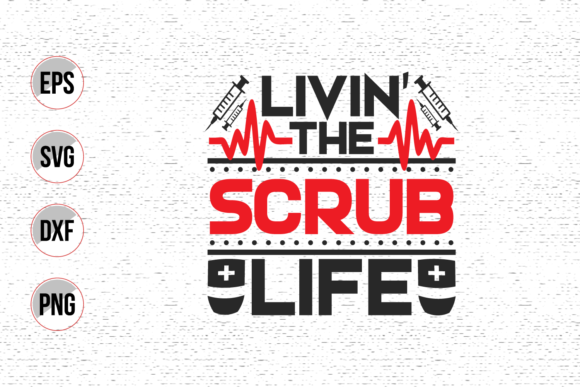
When a new lettering design lands on my virtual desk, my first question isn't about the specs—it's about the vibe. The Nurse Lettering Quotes Design Vector, with its central phrase "Livin the Scrub Life," immediately creates a tone that's playful, proud, and relatable. It's not a stern, formal badge of honor; it's a wink and a nod to the daily reality of nursing. As an embroidery designer, I see a design that’s meant to be worn, displayed, and gifted with a sense of camaraderie and lighthearted identity. The layout feels balanced, with the main lettering taking clear center stage, supported by secondary quote elements that offer options for customization or framing. This isn't a overly intricate, delicate piece—it has a bold, straightforward personality that promises to translate well into thread.
Where This Design Finds Its Home
In my mind, I immediately start placing this vector onto products. It’s a natural fit for custom apparel. A nicely embroidered sweatshirt or t-shirt for a nurse friend, a colleague, or for a nursing student feels like the most obvious and excellent application. The theme is personal and profession-specific, making it a perfect personalized gift. I visualize it on a tote bag meant for carrying shift essentials, adding a touch of personality to a functional item. For a small business or Etsy seller focusing on niche profession-themed merchandise, this design is a ready-made asset for caps, aprons, or even embroidered patches that can be applied to jackets or bags.
The design also suggests uses beyond wearables. Embroidered onto a pillow cover for a nursing school graduate, or stitched onto a kitchen towel as a fun gift for a nurse who’s also a home-maker, extends its appeal. For boutique product lines, it could adorn a simple throw blanket or be framed as nursery decor for a nurse-mom. The key is that the product must align with the message—it’s for celebration, recognition, or shared identity.
The Stitching Reality: Where Performance Meets Fabric
Translating a vector into a stitched product requires a practical eye. The good news here is that the lettering appears clean and of a moderate scale. This suggests it won’t become a tangled mess of tiny, dense satin stitches that can pucker on lightweight fabrics. On a stable cotton tote bag or a mid-weight sweatshirt, this design should stitch out with clear stitching clarity, maintaining the readability of the quote. That clarity is crucial for customer trust and the handmade presentation—a blurry, crowded embroidery job undermines the value instantly.
However, this is where the designer’s caution comes in. While the design seems robust, I would be careful applying it to very small hoop sizes. If you try to minimize it drastically for a baby item or a tiny patch, the lettering details could lose definition. Similarly, on highly textured fabrics like some blankets or on stretchy fabric without proper stabilizer, the clean lines could warp. Dark fabric always demands extra attention to thread color contrast—a bright, contrasting palette will make this design pop, while subtle tones might mute its playful energy.
For items like caps, with their curved surfaces, the layout’s balance needs to be checked in a mockup to ensure it sits well. And since many of these products—like workwear aprons or frequently-used towels—might need frequent washing, a robust stitch density and quality thread become non-negotiable for longevity. This design isn’t overly delicate, so it should hold up well, but that’s a factor you test in real conditions.
Beyond the Stitches: The Impact on Your Project
Using a design like this isn't just a technical process; it's a choice about the final product’s soul. For a creative entrepreneur, it offers a ready-made way to tap into a specific, appreciative community—the nursing world. The visual appeal is inherently niche, which increases its perceived value as a gift or small shop merchandise. It feels professional because it’s directly relevant, not generic. For a craft business, offering a well-embroidered product with this design can enhance brand consistency if you specialize in profession-themed goods.
In a commercial embroidery context, say for a hospital gift shop or an online store for medical professionals, this design adds to a catalog of recognizable, engaging items. It fosters buyer engagement because it speaks directly to the buyer’s experience. The embroidered project becomes a badge, a statement piece, which is exactly what good apparel decoration should achieve.
A Practical Designer’s Pre-Stitch Checklist
Before I’d ever load this embroidery file for a real client project or my own handmade product, here’s the mental walkthrough I’d complete. These notes are based on years of turning promising vectors into successful stitches.
- Test on Scrap First: Always run the design on a scrap of your target fabric. This reveals the true stitch density, how the fill stitches behave, and whether any small details, like the secondary quotes, need adjustment.
- Contrast is Key: Play with thread color schemes against both light and dark fabric backgrounds in digital mockups or simple sketches. The right palette makes the design sing.
- Hoop Size Confirmations: Determine the physical size you want. Does the design need scaling? Ensure your chosen size maintains clean lettering without distortion.
- Stabilizer Strategy: Match your stabilizer to the fabric. A tote bag might need less than a stretchy t-shirt. This step is often the difference between a crisp and a wobbly outcome.
- Commercial Use Clearance: Since this is a digital embroidery file categorized under Graphics and Crafts, confirming the licensing for commercial projects or selling finished items is essential. Don't assume; check the terms.
- Mockup for Presentation: For Etsy sellers or digital product sellers, using this design in clean printable mockups can showcase its potential to buyers before they purchase the finished product or the digital asset itself.
Ultimately, the Nurse Lettering Quotes Design Vector strikes me as a solid, mood-specific asset. It has the character to make memorable personalized gifts and niche boutique products. Its apparent simplicity is its strength for embroidery, but that simplicity demands careful execution on the right materials to realize its full potential. It’s a design that, when stitched well, won’t just sit on a fabric—it will resonate with the person wearing or using it. That’s the mark of a design worth the thread and the time.